
Cambridge student Jocelyn Bell Burnell noticed a mysterious signal repeating every 1.337 seconds on a radio telescope in 1967. Here's what researchers jokingly called Little Green Men led to the discovery of pulsars
Jocelyn Bell Burnell discovered the first pulsar in 1967. She and her supervisor Antony Hewish were entertained to find a regular pattern in the radio waves while analyzing data. This resulted in the discovery of pulsars – fast spinning neutron stars. Her research has made a significant impact in th...
Downloads and new bookmarks save article text and an available cover image on this browser. Audio and video need internet. Open Offline Reading →
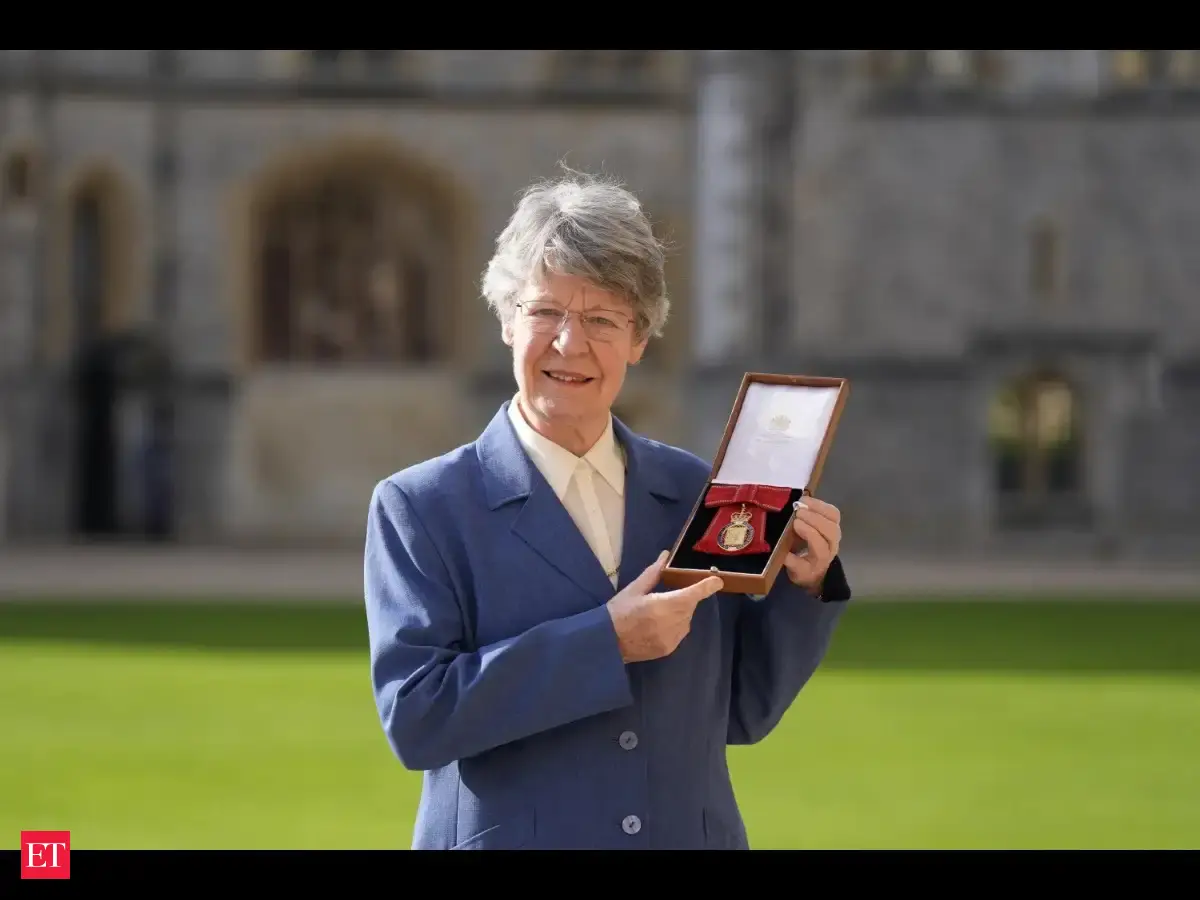
Jocelyn Bell Burnell discovered the first pulsar in 1967. She and her supervisor Antony Hewish were entertained to find a regular pattern in the radio waves while analyzing data. This resulted in the discovery of pulsars – fast spinning neutron stars. Her research has made a significant impact in the scientific world and has enabled scientists to investigate extreme environments.
This story was originally published by The Economic Times. Use the link below to read the full article on their website.











Join the conversation
Sign in to share your perspective with other readers.Sign in to comment