
EU Voters and the Economic Conversation
Jobs, prices, energy and trade are often central to how Europeans vote.

Downloads and new bookmarks save article text and an available cover image on this browser. Audio and video need internet. Open Offline Reading →
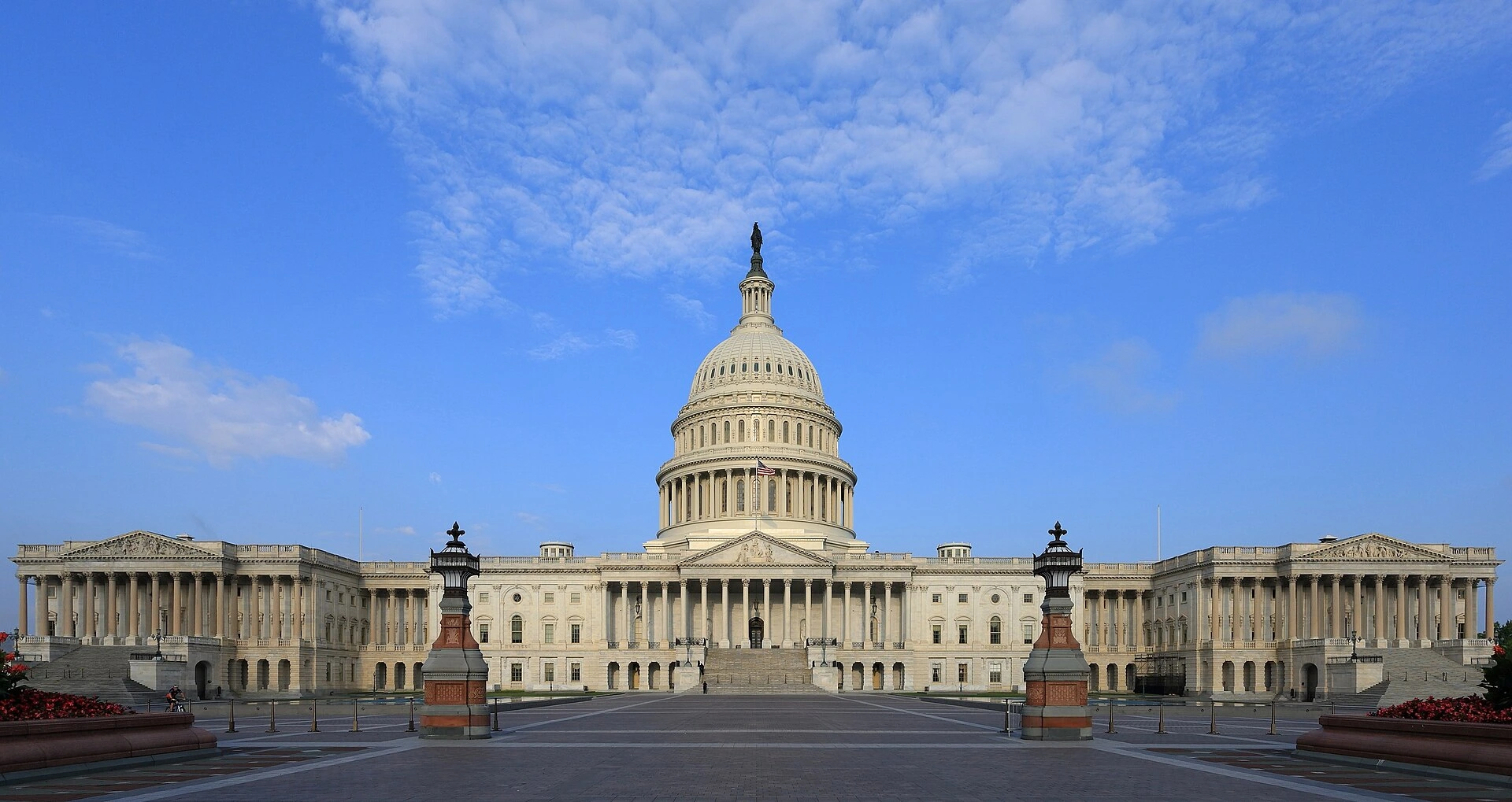
Economic issues are frequently at the center of political debate across the European Union.
Cost of living
Prices for energy, food and housing affect households directly and shape how voters feel about their governments.
Jobs and industry
Voters care about job security, wages and the future of industries facing change from technology and the shift to clean energy.
Energy
Energy security and prices became especially prominent after Russia’s full-scale invasion of Ukraine in 2022 disrupted gas supplies.
Trade and competitiveness
The EU is one of the world’s largest trading blocs, and debates about trade, competition and support for industry are ongoing.
The European Parliament
Members of the European Parliament are elected directly by citizens every five years and help shape laws that affect the single market.
How economic concerns translate into votes varies across the EU’s 27 member states, reflecting their different economies and histories.









Join the conversation
Sign in to share your perspective with other readers.Sign in to comment