
Global Leaders Speak on a Changing World
How diplomacy works, and why dialogue between leaders still matters in a changing world.

Downloads and new bookmarks save article text and an available cover image on this browser. Audio and video need internet. Open Offline Reading →
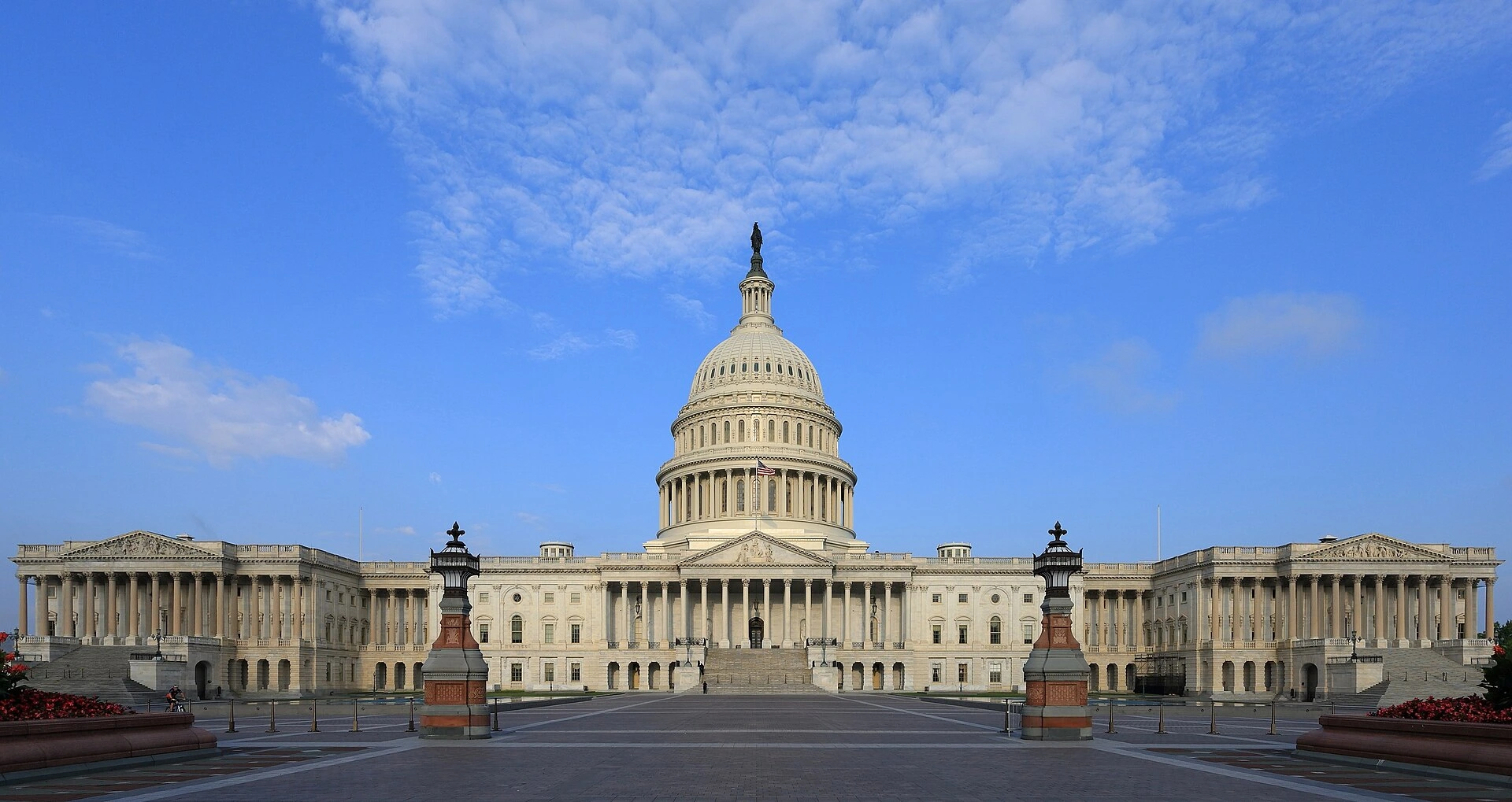
When world leaders meet, their speeches and handshakes make headlines. But much of diplomacy happens out of sight, through steady work by officials, negotiators and institutions.
What diplomacy does
Diplomacy helps countries manage disagreements, build trade relationships, cooperate on shared challenges and prevent conflicts from escalating. Embassies, international organizations and regular summits keep lines of communication open.
The role of international institutions
Bodies such as the United Nations, the G20 and regional organizations provide forums where countries can discuss issues ranging from security to climate and global health.
Why dialogue matters
Even between rivals, talking reduces the risk of misunderstanding. Many past agreements on arms control, trade and the environment came after long periods of patient negotiation.
A changing world
Today’s challenges, including climate change, pandemics, cybersecurity and new technology, cross borders. They require cooperation even when countries disagree on other issues.
Diplomacy rarely produces instant results, but it remains one of the most important tools for a more stable and peaceful world.





Join the conversation
Sign in to share your perspective with other readers.Sign in to comment