
Education: Building a Brighter Future for Students
A look at the challenges facing Haiti’s schools and the families, teachers and communities working to keep learning going.

Downloads and new bookmarks save article text and an available cover image on this browser. Audio and video need internet. Open Offline Reading →
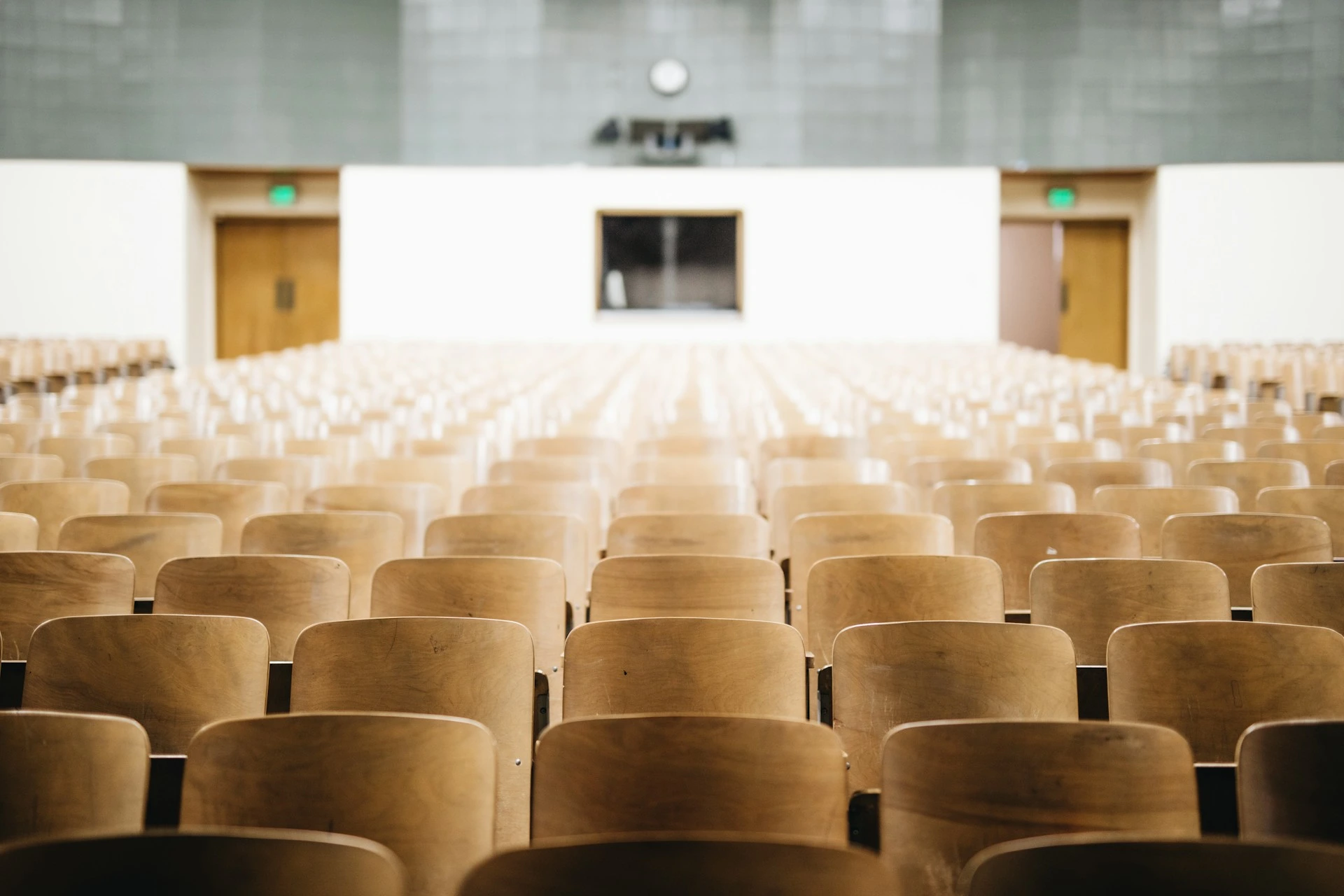
Education is widely seen in Haiti as one of the most important paths to a better future, and families often make great sacrifices to keep children in school.
How the system works
A large share of Haiti’s schools are privately run, including religious and community schools, which means many families pay fees for their children’s education. Public schools exist but have long struggled with limited funding. Classes are taught in Haitian Creole and French, and the balance between the two languages has been a long-running debate in education policy.
Persistent challenges
Schools have faced repeated disruption from natural disasters, including the 2010 and 2021 earthquakes, and from insecurity that has at times forced schools to close or relocate. Teacher training, pay and classroom resources remain pressing concerns, as does access to schools in rural areas.
People keeping learning alive
Teachers, parents, local organizations and members of the diaspora support students in many ways: running community schools, providing scholarships and school meals, donating supplies and offering tutoring. School feeding programs, in particular, can help children attend regularly and concentrate in class.
Looking ahead
Lasting progress depends on stability, sustained investment, support for teachers and safe places to learn. Education remains one of the clearest ways to give young Haitians the tools to shape their country’s future.









Join the conversation
Sign in to share your perspective with other readers.Sign in to comment