
Port-au-Prince: Challenges, Resilience and Hope
Port-au-Prince is a city of deep challenges and remarkable resilience, shaped by its history, culture and people.

Downloads and new bookmarks save article text and an available cover image on this browser. Audio and video need internet. Open Offline Reading →
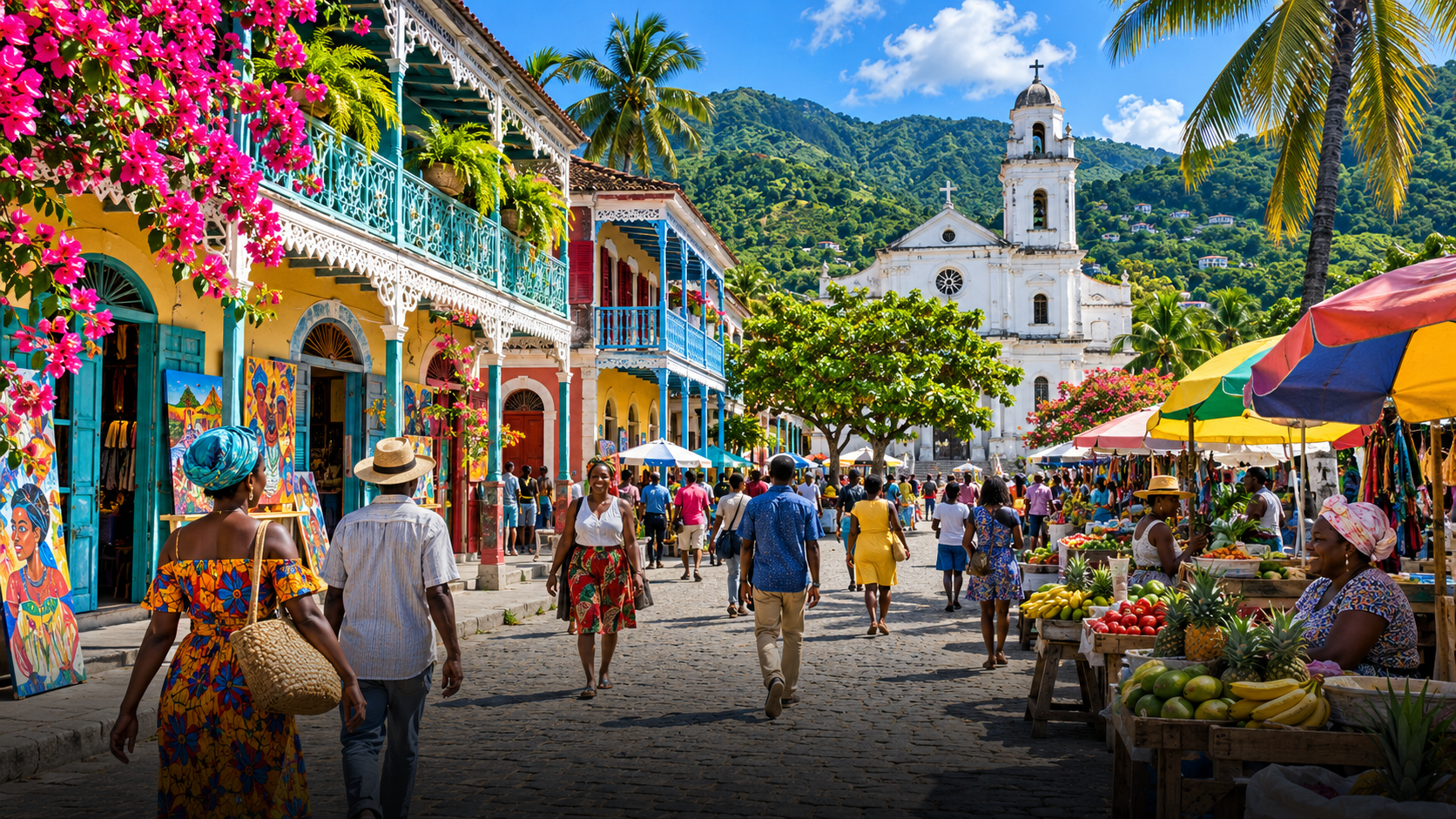
Port-au-Prince, Haiti’s capital and largest city, sits along a bay on the country’s west coast, surrounded by mountains. It is the center of the nation’s government, commerce and culture.
A city that has endured
The capital has faced enormous hardship. The 2010 earthquake caused devastating loss of life and destroyed many buildings, including the National Palace. In more recent years, insecurity has disrupted daily life in many neighborhoods and forced many residents to leave their homes.
Everyday resilience
Even in difficult times, daily life goes on. Markets open, families look after one another, churches and community groups provide support, and artists continue to create. Haitian painting, music and the colorful “tap-tap” buses are part of the city’s vibrant identity.
Culture and history
Haiti’s history as the first independent Black republic, born of a successful revolution against slavery in 1804, is a source of deep national pride. Museums, monuments and cultural centers carry that history forward.
Hope for the future
Residents, community organizations and the diaspora continue to work toward a safer, more stable city where people can live, work and raise families in peace. Their resilience is one of Port-au-Prince’s greatest strengths.










Join the conversation
Sign in to share your perspective with other readers.Sign in to comment