
Environment: Protecting Haiti’s Natural Heritage
From mountains and forests to coral reefs, Haiti’s natural heritage is a source of beauty, livelihoods and resilience.

Downloads and new bookmarks save article text and an available cover image on this browser. Audio and video need internet. Open Offline Reading →
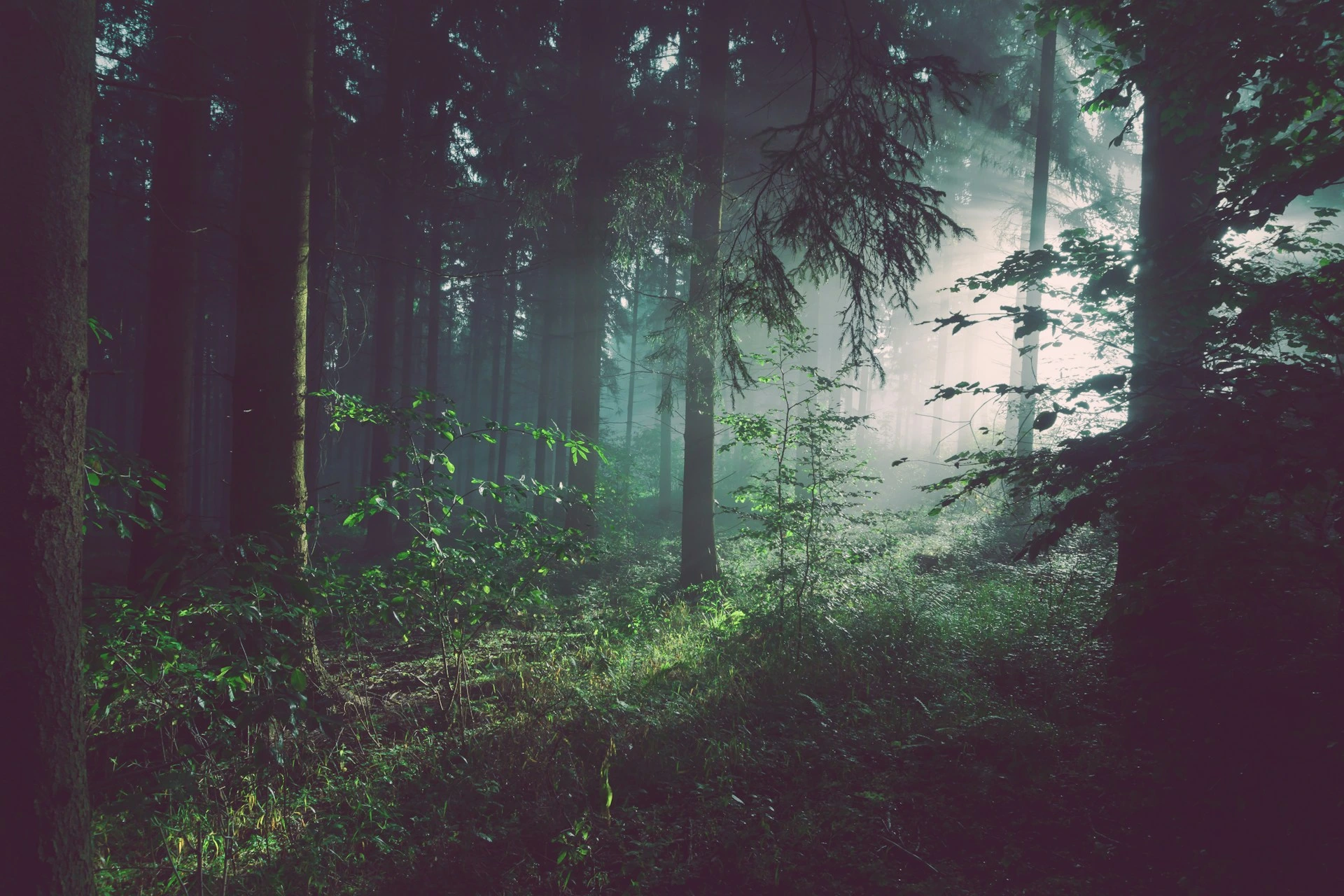
Haiti is a mountainous country with striking landscapes, from the peaks of the Massif de la Selle to coastal mangroves and coral reefs. Its natural environment supports farming, fishing and tourism, and is closely tied to the country’s culture.
Forests under pressure
Over many decades, much of Haiti’s original forest cover has been lost, largely as trees were cut for charcoal, farming and construction. Steep, bare hillsides are more vulnerable to erosion, which can worsen flooding and landslides during heavy rain and reduce soil quality for farmers.
Protected places
Areas such as Pic Macaya National Park and La Visite National Park protect some of the country’s remaining forests and many plants and animals found nowhere else. Coastal and marine areas are also important for biodiversity and for fishing communities.
Community-led solutions
Reforestation projects, fruit-tree planting, soil-conservation techniques and cleaner cooking alternatives can help reduce pressure on forests. Projects tend to last longer when local farmers and communities lead them and benefit directly.
Facing climate risks
Hurricanes, droughts and rising seas put coastal communities at risk. Healthy forests, mangroves and reefs act as natural defenses, which makes protecting them part of protecting people.











Join the conversation
Sign in to share your perspective with other readers.Sign in to comment