Free Speech in a Changing World
How societies can protect free expression while dealing with misinformation, harassment and new technology.

Downloads and new bookmarks save article text and an available cover image on this browser. Audio and video need internet. Open Offline Reading →
No playable recording is attached to this story. Browse available videos →
Free expression lets people criticize those in power, debate ideas and hold institutions accountable. It is a cornerstone of democracy. But new technology is raising hard questions about how it works in practice.
The legal basics
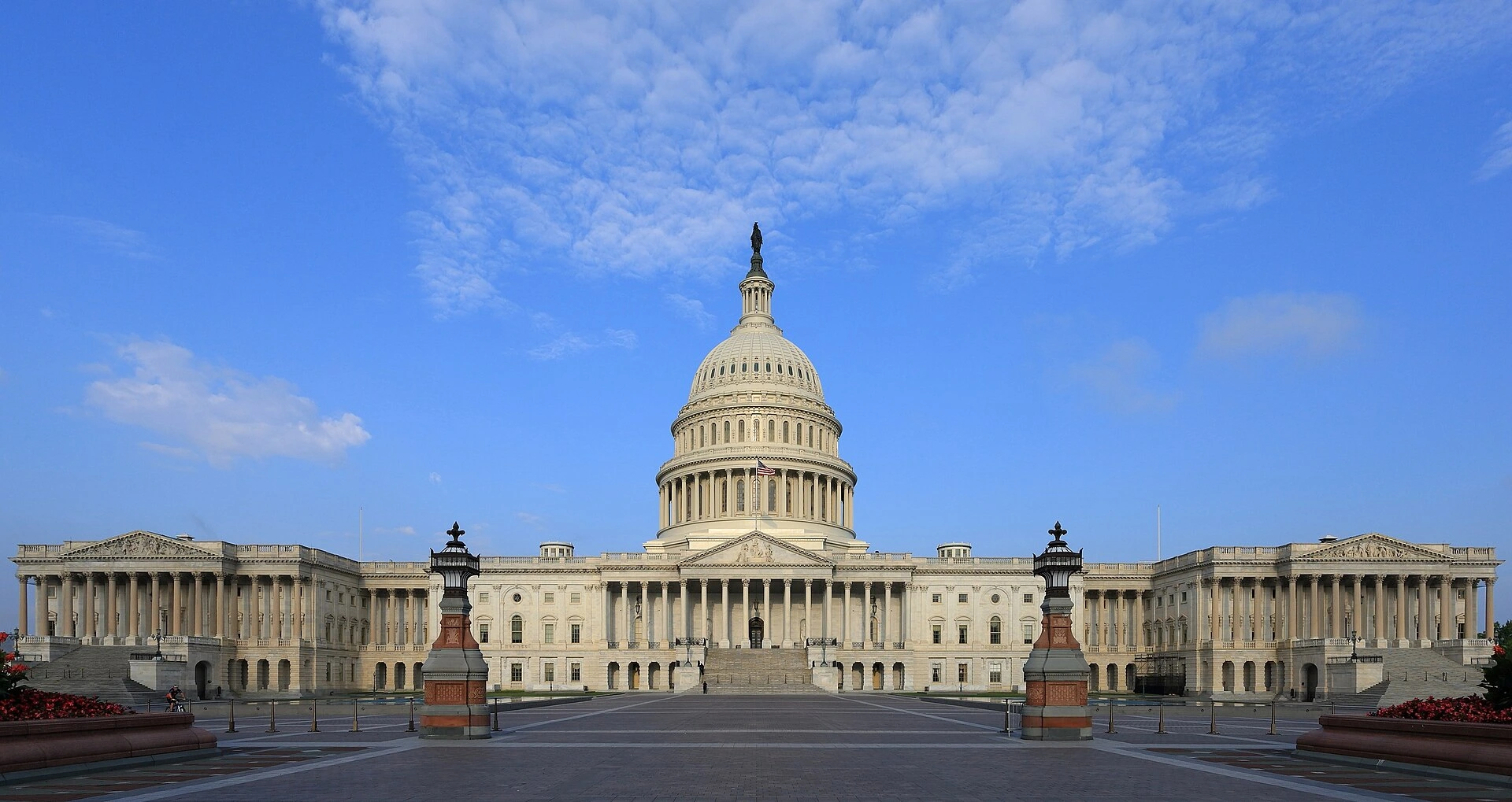
In the United States, the First Amendment limits the government’s power to restrict speech, though some categories such as true threats and defamation are not protected. Private companies, including social media platforms, set their own rules for what users can post. Other democracies draw these lines differently.
Today’s challenges
Online harassment can silence people, especially women and minorities. Misinformation can spread quickly. A few large platforms have great influence over what billions of people see. AI-generated images, audio and video make it harder to tell what is real.
Different approaches
Some argue for stronger rules for platforms; others warn that giving governments or companies more power over speech is dangerous. Many experts emphasize transparency about how platforms make decisions, along with media literacy so people can judge information for themselves.
A lasting principle
Many defenders of free expression argue that the best response to bad speech is usually more speech: accurate information, open debate and a public that knows how to evaluate claims.





Join the conversation
Sign in to share your perspective with other readers.Sign in to comment