
James Webb: A New Era of Discovery
Since its launch in 2021, the James Webb Space Telescope has transformed our view of the universe.

Downloads and new bookmarks save article text and an available cover image on this browser. Audio and video need internet. Open Offline Reading →
No playable recording is attached to this story. Browse available videos →
The James Webb Space Telescope, a partnership between NASA, the European Space Agency and the Canadian Space Agency, launched on December 25, 2021. It is the largest and most powerful space telescope ever built.
How it works
Webb observes mainly in infrared light, which lets it see through cosmic dust and detect light from the most distant galaxies, stretched by the expansion of the universe. Its gold-coated primary mirror is 6.5 meters across, made up of 18 hexagonal segments. A tennis-court-sized sunshield keeps its instruments extremely cold.
Where it is
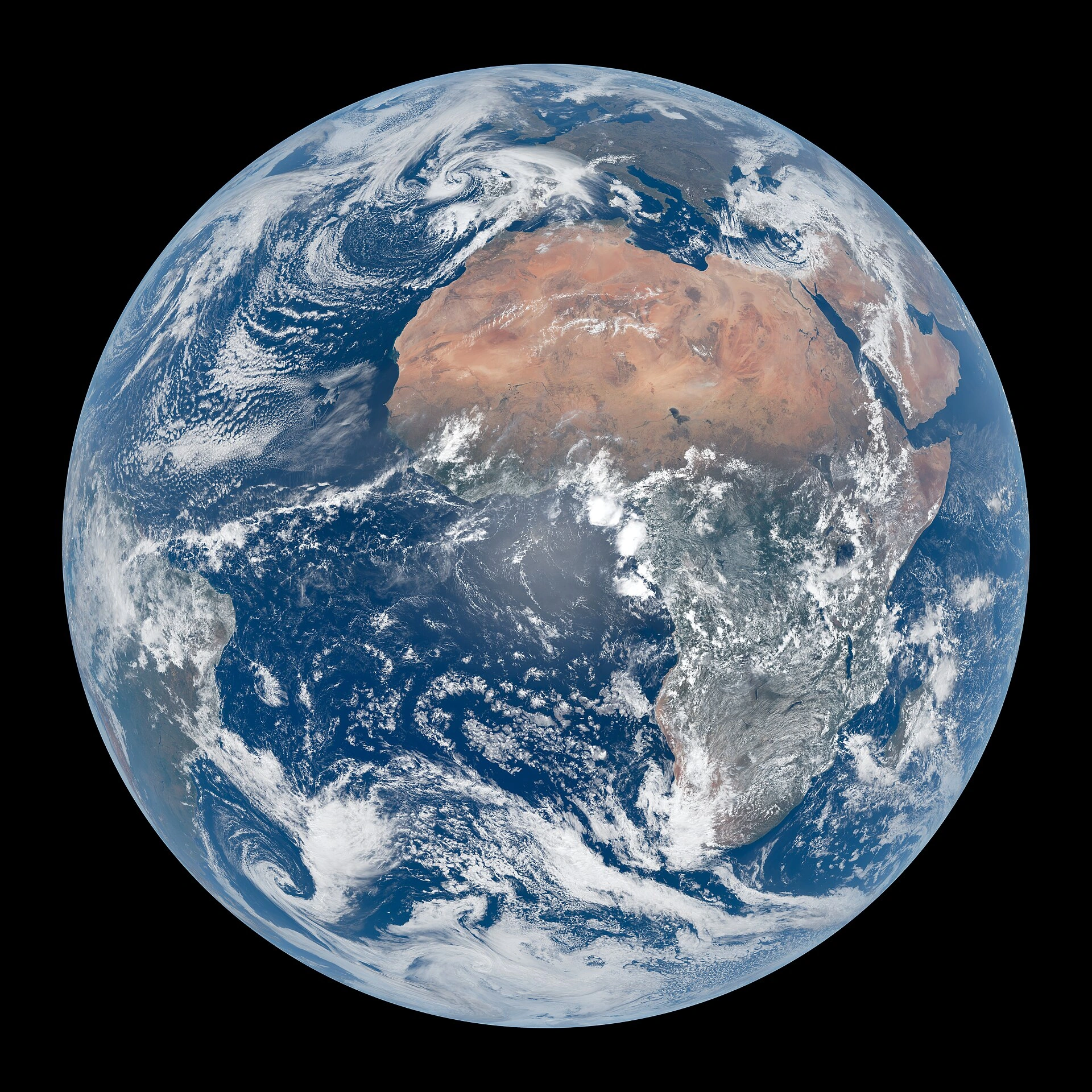
Webb orbits around a point in space known as L2, about 1.5 million kilometers from Earth.
What it studies
Webb looks at some of the earliest galaxies formed after the Big Bang, the birth of stars and planets, and the atmospheres of planets around other stars, searching for molecules such as water and carbon dioxide.
Why it matters
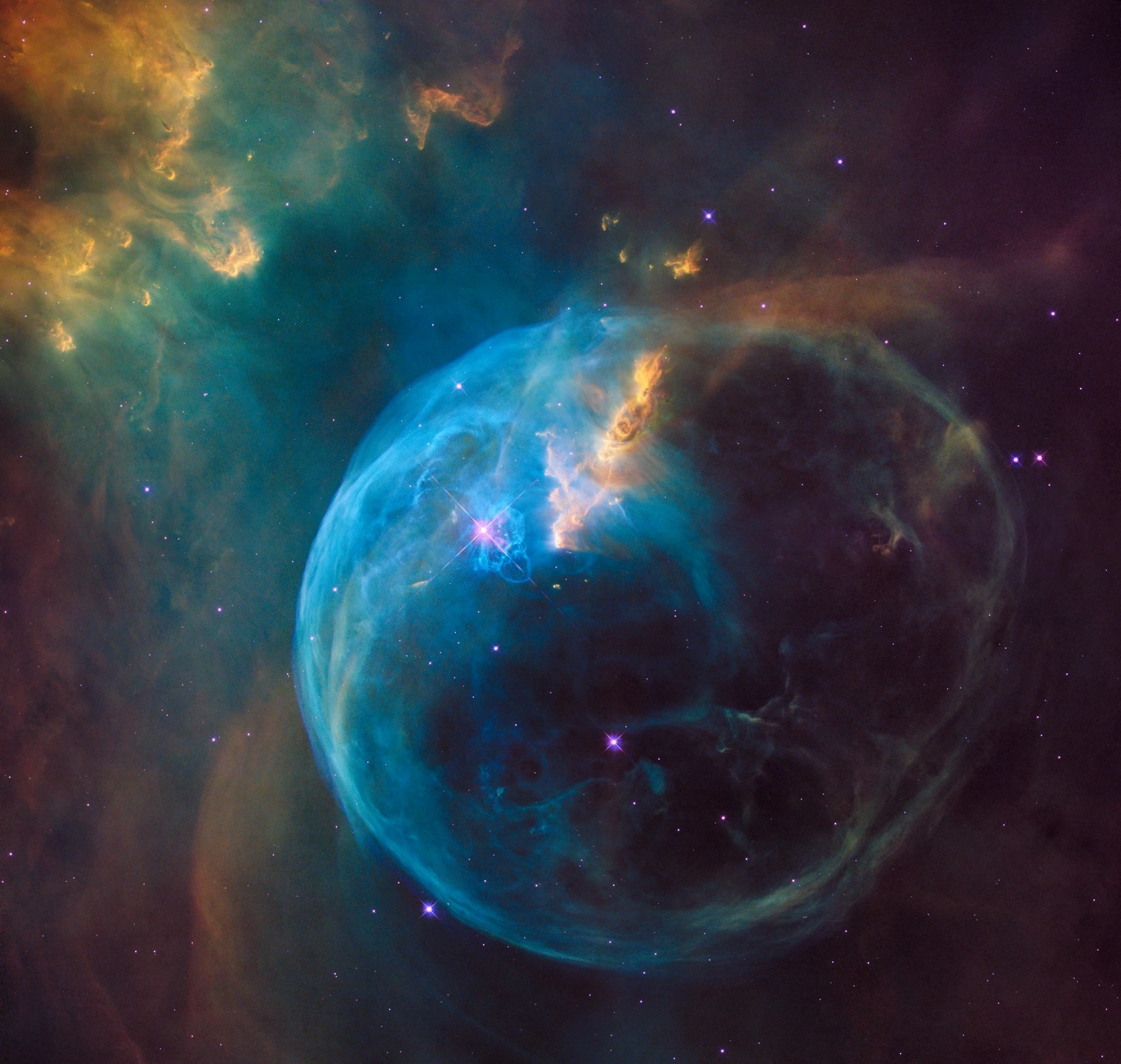
Its images have revealed galaxies, nebulae and star-forming regions in remarkable detail, and its data is helping scientists test ideas about how the universe evolved.
Webb is expected to continue observing for many years, opening new chapters in astronomy.









Join the conversation
Sign in to share your perspective with other readers.Sign in to comment