
The Future of Electric Vehicles
Electric vehicles are becoming more common. Here is what to know about range, charging and the road ahead.

Downloads and new bookmarks save article text and an available cover image on this browser. Audio and video need internet. Open Offline Reading →
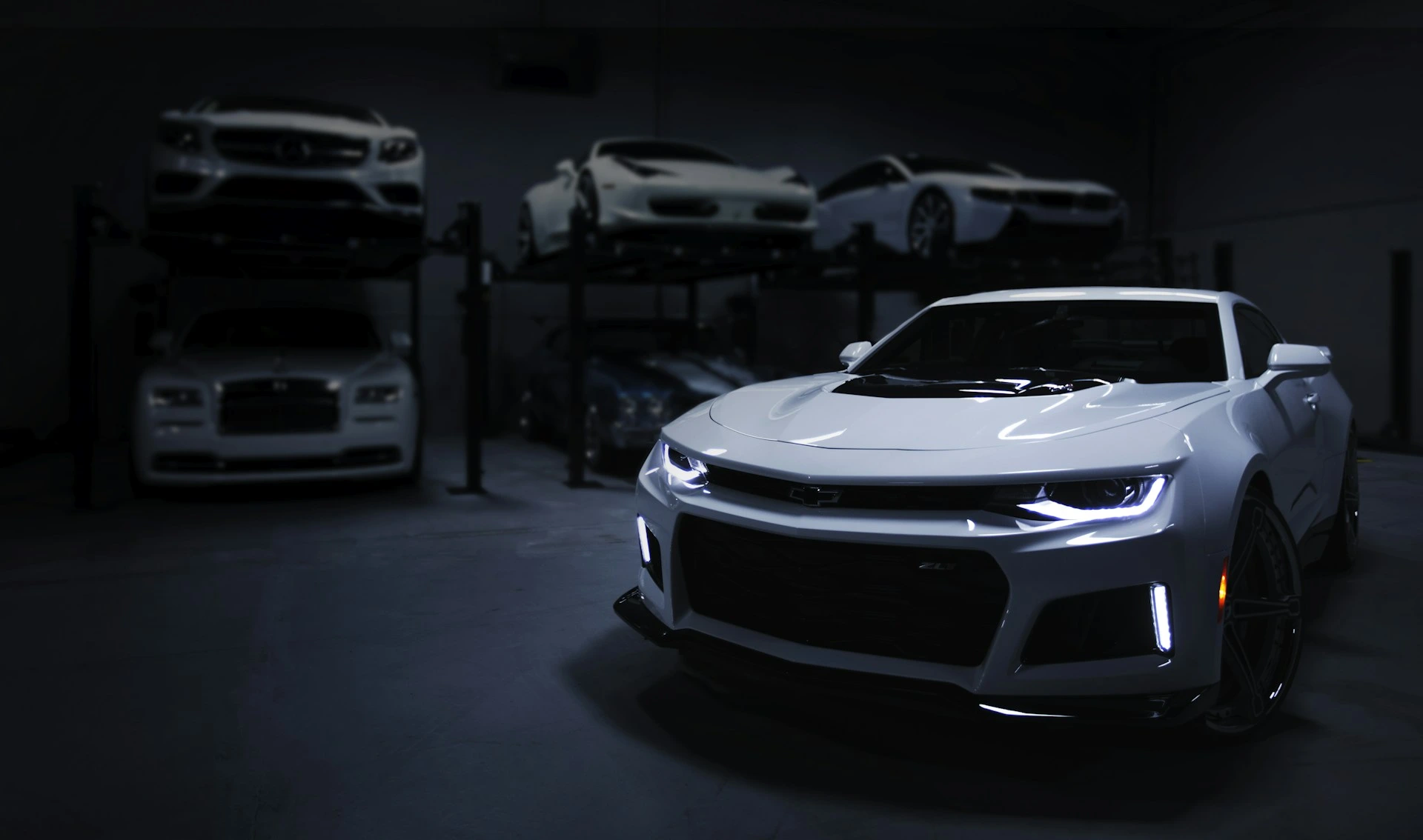
Electric vehicles, or EVs, run on electricity stored in batteries rather than gasoline or diesel. Sales have grown quickly in many countries.
Why people choose EVs
EVs produce no tailpipe emissions, are quiet and often cost less to fuel and maintain than gasoline cars. Their overall climate benefit depends partly on how the electricity is generated.
Range and charging
Many new EVs can travel several hundred kilometers on a charge. Charging at home overnight suits many drivers, while fast chargers along highways support longer trips.
Challenges
Upfront prices, availability of public charging, charging times and the environmental impact of mining battery materials are key issues.
What’s next
Battery technology continues to improve, with research into cheaper, longer-lasting and faster-charging batteries. Recycling programs aim to recover valuable materials from old batteries.
The future of driving is likely to be increasingly electric, though the pace of change varies by country.










Join the conversation
Sign in to share your perspective with other readers.Sign in to comment