
Voter Turnout and the Future of Participation
Why turnout varies and how democracies can encourage participation.

Downloads and new bookmarks save article text and an available cover image on this browser. Audio and video need internet. Open Offline Reading →
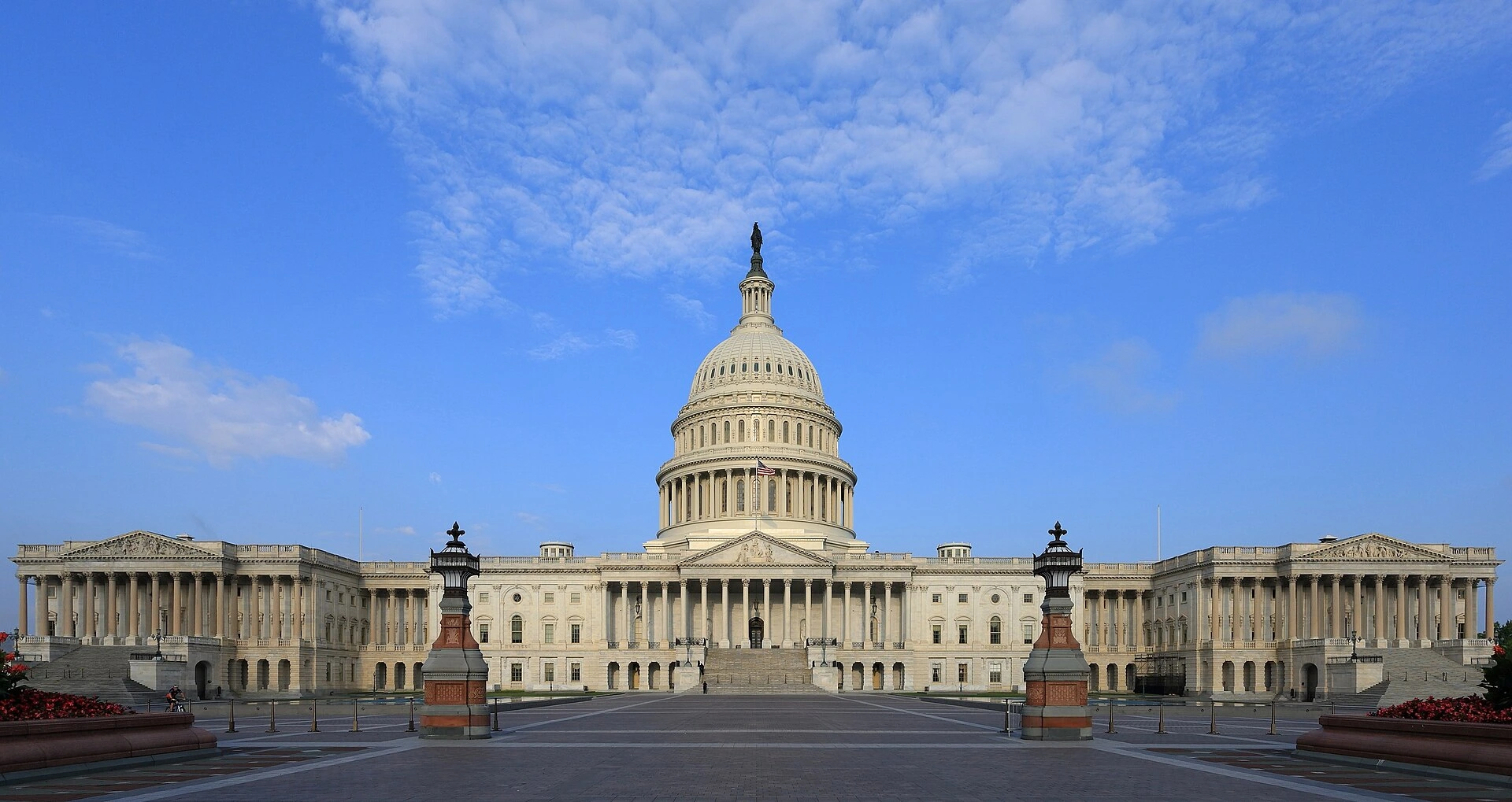
Voter turnout, the share of eligible people who vote, varies widely between countries and elections.
Why turnout varies
Factors include how easy it is to register and vote, whether voting is compulsory, how competitive the election is, and whether people feel their vote matters.
Compulsory voting
Some countries, such as Australia, require citizens to vote, and turnout is typically high.
Making voting accessible
Early voting, postal voting, accessible polling stations and clear information can make it easier for people to take part.
Young voters
Turnout among young people is often lower than among older citizens, though it can rise when issues feel especially relevant.
Why it matters
Higher turnout means elected leaders represent a broader cross-section of society.
Participation goes beyond voting, too: volunteering, contacting representatives and engaging in community life are all part of democratic life.










Join the conversation
Sign in to share your perspective with other readers.Sign in to comment